
Buying, Moving Into, and Living in a Listed Building
Buying a listed building in the UK can be incredibly rewarding. These properties often have unique architecture, historic significance, and character you won’t find in modern homes.
However, they also come with additional responsibilities and restrictions that buyers should understand before moving in.
This Little Barn Door guide explains the key things to know when buying, moving into, and living in a listed property.
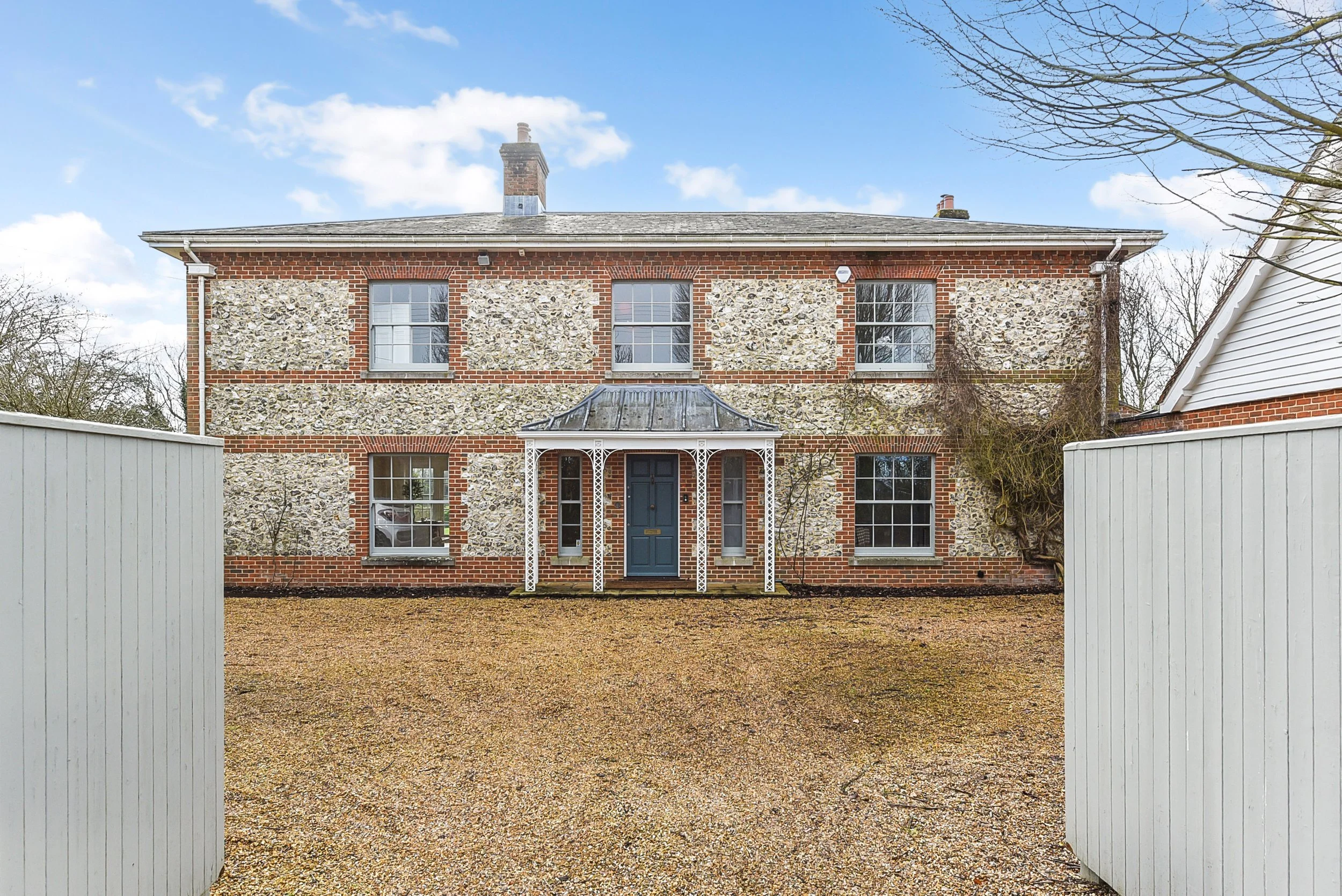
What is a Listed Building?
A listed building is a property recognised for its special architectural or historic interest and protected by law.
In England, listings are maintained by Historic England.
Listing Grades:
Grade I – Exceptional national importance (~2.5%)
Grade II* – Particularly important buildings of more than special interest (~5.5%)
Grade II – Buildings of special interest (~92%)
Important: The listing covers the entire building, not just the façade. It may also include interior features, outbuildings, garden walls, and historic structures within the grounds.
Key things to check before buying:
Buying a listed building requires extra due diligence.
Check the Listing Description:
Review the official listing entry to understand protected architectural features, historic elements, and special construction materials.
Look for Unauthorised Changes:
Previous owners may have made alterations without permission such as replacement windows, internal wall removal, modern doors, or extensions. If work was carried out without Listed Building Consent, the current owner may be required to reverse the work.
Specialist Surveys Are Essential:
Always commission a surveyor experienced with heritage properties. Typical issues include damp in solid walls, timber decay, historic roofing materials, and structural movement.
Listed Building Consent
Most works that affect the character of the building require Listed Building Consent from the local planning authority. This is separate from standard planning permission.
Works That Usually Require Consent:
- Replacing windows or doors
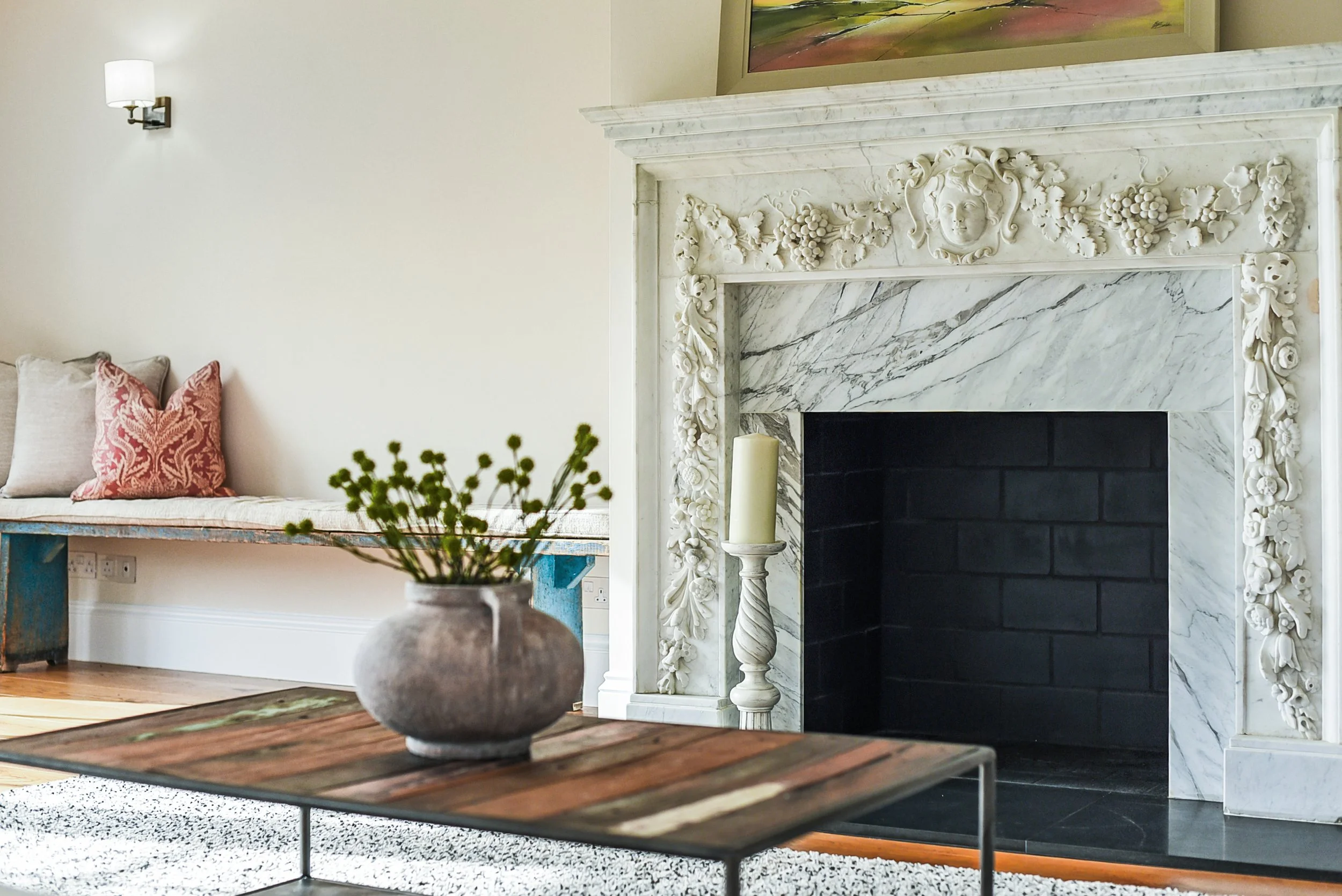
- Removing or altering fireplaces
- Changing internal layout
- Installing new staircases
- Extensions or external alterations
Works That Often Don’t Require Consent:
- Routine maintenance
- Like-for-like repairs
- Decorating using appropriate materials
When unsure, always check with your local conservation officer first.

Moving Into a Listed Building
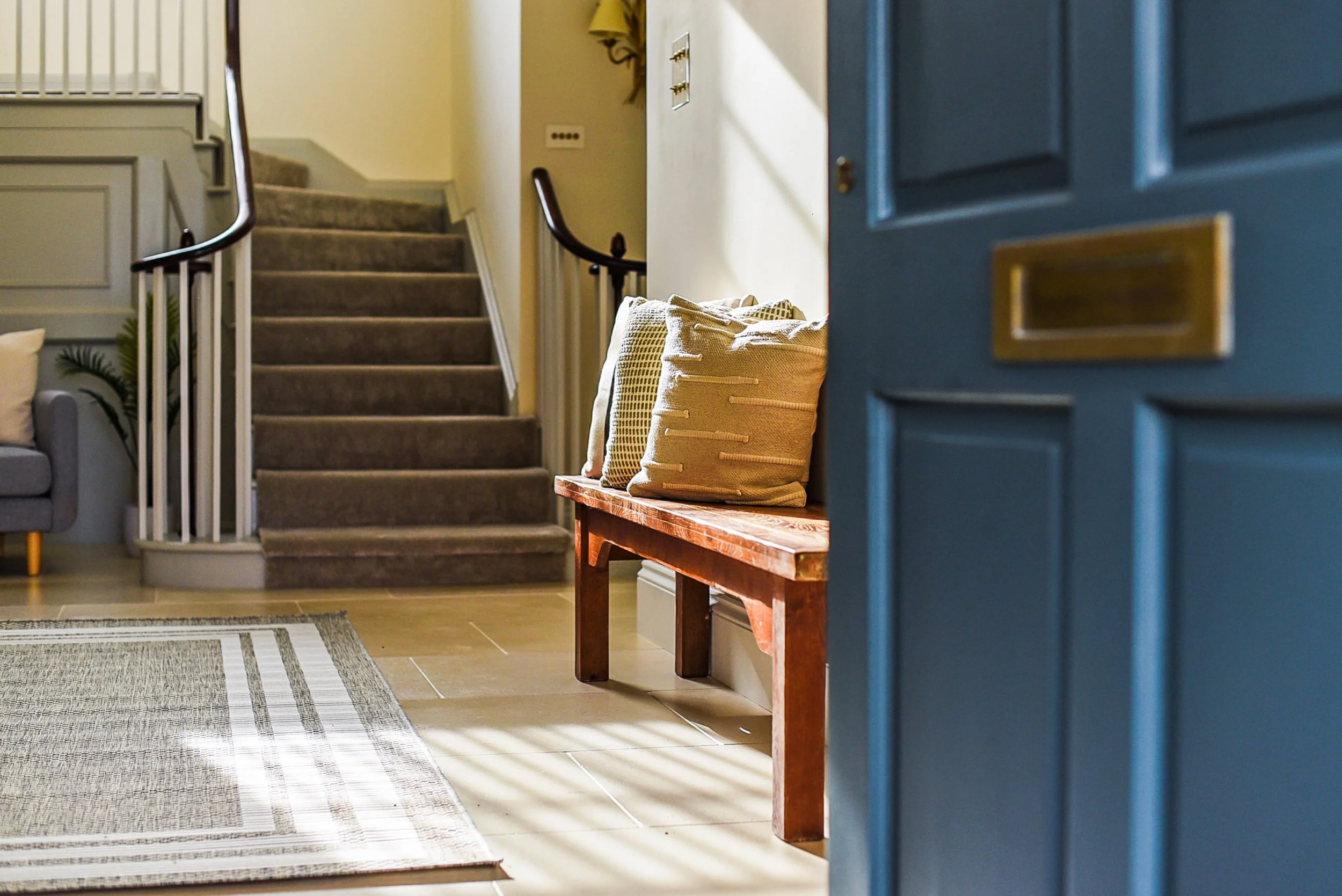
Moving into a historic home requires extra care.
Be Careful With Fixtures:
Historic features such as original plasterwork, oak beams, stone floors, and period staircases can be fragile.
Plan Utilities Carefully:
Older buildings may have limited electrical capacity, older plumbing, and non‑standard heating systems. Upgrading services often requires careful installation to avoid damaging historic materials.
Living in a Listed Property
Owning a listed building means acting as a custodian of heritage.
Maintenance Is Key:
Historic buildings need regular preventative maintenance such as clearing gutters, checking roof tiles or slate, monitoring damp, and maintaining lime mortar.
Use Traditional Materials:
Modern materials can damage historic buildings. Use lime plaster instead of gypsum, lime mortar instead of cement, and breathable paints to allow walls to breathe and reduce damp.
Energy Efficiency Challenges
Many listed buildings were built before modern insulation standards.
Common challenges include solid walls, single glazing, and draughts.
Possible improvements include secondary glazing, draught proofing, loft insulation, and improving heating systems. Full window replacement or external insulation usually requires consent.
Insurance Considerations
Insurance for listed properties is often specialist. Policies may need to account for specialist materials, heritage restoration, and higher rebuild costs.
Make sure insurers understand the property’s listing status and historic features.
Alterations and Improvements
Many owners wish to modernise listed properties. This is possible but must be carefully planned.
Working with conservation architects, heritage consultants, and experienced builders can help. Early consultation with the local planning authority can prevent delays.
Grants and Support
Financial assistance may sometimes be available for repairs or conservation work through local councils, heritage organisations, or specialist heritage funds. Availability varies by region and project type.
The Rewards of Owning a Listed Home
Owning a listed building offers architectural character, historic significance, and often strong long‑term value. Many homeowners value the opportunity to preserve heritage for future generations.
Always consult your local conservation officer early before planning works. Early advice can save significant time, cost, and frustration.
If you are looking to sell your listed property, our “selling a listed building guide” has key information to support your sale. For further in person advice, contact our expert team.