
Selling a Listed Building
Selling a listed building can be different from selling a standard property.
While historic homes often attract strong buyer interest due to their character and heritage, they also require additional preparation and transparency during the sales process.
This guide explains the key things owners should know when preparing, marketing, and selling a listed property in the UK.
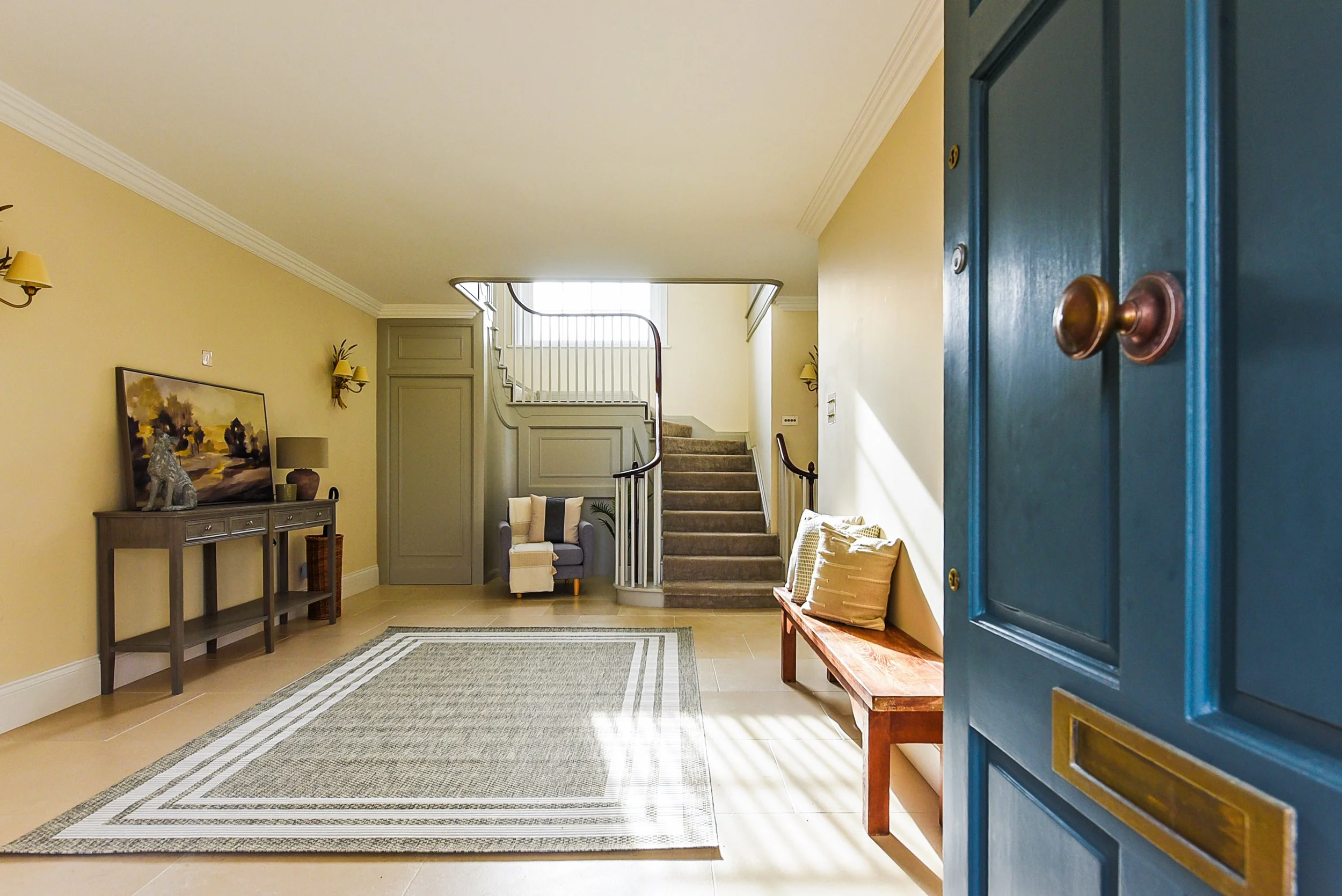
What Is a Listed Building?
A listed building is recognised as having special architectural or historic interest and is protected by law.
In England, listings are maintained by Historic England.
Listing Grades:
Grade I – Exceptional national importance (~2.5%)
Grade II* – Particularly important buildings of more than special interest (~5.5%)
Grade II – Buildings of special interest (~92%)
The listing protects the entire building, including interior features, outbuildings, and sometimes structures within the grounds such as walls or historic garden features.
Preparing Your Listed Property for Sale
Preparation is particularly important when selling a listed building, as buyers will often ask detailed questions about the property’s history, condition, and any alterations.
Gather Key Documentation:
- Listed building description
- Records of any Listed Building Consent approvals
- Planning permissions for alterations
- Specialist repair or conservation works
- Guarantees for roofing, windows, or structural work
Having these documents ready can help build buyer confidence and speed up the transaction.
Check for Unauthorised Alterations
Before marketing the property, it is important to confirm that any past alterations received Listed Building Consent where required.
Examples include:
- Replacement windows or doors
- Internal layout changes
- Extensions or structural alterations
- Removal of fireplaces or historic features
If work was completed without permission, buyers may raise concerns or request retrospective consent. Addressing this early can prevent delays during the sale.
Specialist Surveys and Buyer Expectations
Buyers of listed buildings commonly commission specialist surveys. These surveys often assess:
- Damp in solid walls
- Timber condition
- Roofing materials such as slate or clay tile
- Structural movement
- Condition of historic materials such as lime plaster
Being transparent about maintenance and previous works can help manage buyer expectations and reduce negotiation issues later.
Maintaining Character When Staging for Sale
Presentation is extremely important when marketing a listed building. Buyers are often drawn to historic properties because of their charm and architectural character.
Staging should highlight, rather than hide, original features.
Tips for staging a listed property:
- Keep historic fireplaces, beams, and stone floors visible
- Avoid covering period details with modern décor
- Use neutral colours that complement traditional materials
- Choose furnishings that suit the age and style of the property
- Ensure natural light highlights architectural features
The goal is to allow buyers to imagine living in the property while appreciating its historic significance.
Repairs and Maintenance Before Selling
Minor maintenance can make a significant difference to buyer perception.
Before listing the property, consider:
- Clearing gutters and checking drainage
- Repairing damaged lime mortar or pointing
- Addressing visible damp issues
- Repairing broken roof tiles or slate
- Servicing heating systems
Well-maintained historic buildings reassure buyers that the property has been carefully looked after.
Energy Efficiency Considerations
Energy performance is often a concern for buyers of historic homes.
While listed buildings are sometimes exempt from certain energy efficiency requirements, it can still help to highlight improvements such as:
- Secondary glazing
- Draught proofing
- Improved heating systems
- Loft insulation where appropriate
Providing information about existing improvements can make the property more attractive to buyers.
Marketing a Listed Property
Listed buildings often appeal to a niche group of buyers who appreciate historic homes.
Effective marketing should emphasise:
- Architectural character
- Historic features
- Period details
- Unique layout or craftsmanship
- Location and heritage significance
Professional photography and well-written property descriptions are particularly important when marketing a heritage home.
Working with the Right Professionals
Selling a listed building can involve additional considerations, so it helps to work with professionals who understand historic properties.
This may include:
- Estate agents experienced in period homes
- Surveyors with heritage expertise
- Conservation specialists if alterations are involved
Their knowledge can help answer buyer questions and support a smoother transaction.
The Appeal of Listed Homes
Despite the additional responsibilities associated with ownership, listed properties are highly desirable for many buyers.
They offer:
- Unique architecture
- Historic character
- Craftsmanship rarely found in modern homes
- A connection to local heritage
For the right buyer, these qualities can make listed buildings some of the most attractive properties on the market.
Preparing Your Listed Property for Sale
Preparation is particularly important when selling a listed building, as buyers will often ask detailed questions about the property’s history, condition, and any alterations.
Gather Key Documentation:
- Listed building description
- Records of any Listed Building Consent approvals
- Planning permissions for alterations
- Specialist repair or conservation works
- Guarantees for roofing, windows, or structural work
Having these documents ready can help build buyer confidence and speed up the transaction.
Check for Unauthorised Alterations
Before marketing the property, it is important to confirm that any past alterations received Listed Building Consent where required.
Examples include:
- Replacement windows or doors
- Internal layout changes
- Extensions or structural alterations
- Removal of fireplaces or historic features
If work was completed without permission, buyers may raise concerns or request retrospective consent. Addressing this early can prevent delays during the sale.
Specialist Surveys and Buyer Expectations
Buyers of listed buildings commonly commission specialist surveys. These surveys often assess:
- Damp in solid walls
- Timber condition
- Roofing materials such as slate or clay tile
- Structural movement
- Condition of historic materials such as lime plaster
Being transparent about maintenance and previous works can help manage buyer expectations and reduce negotiation issues later.

Maintaining Character When Staging for Sale
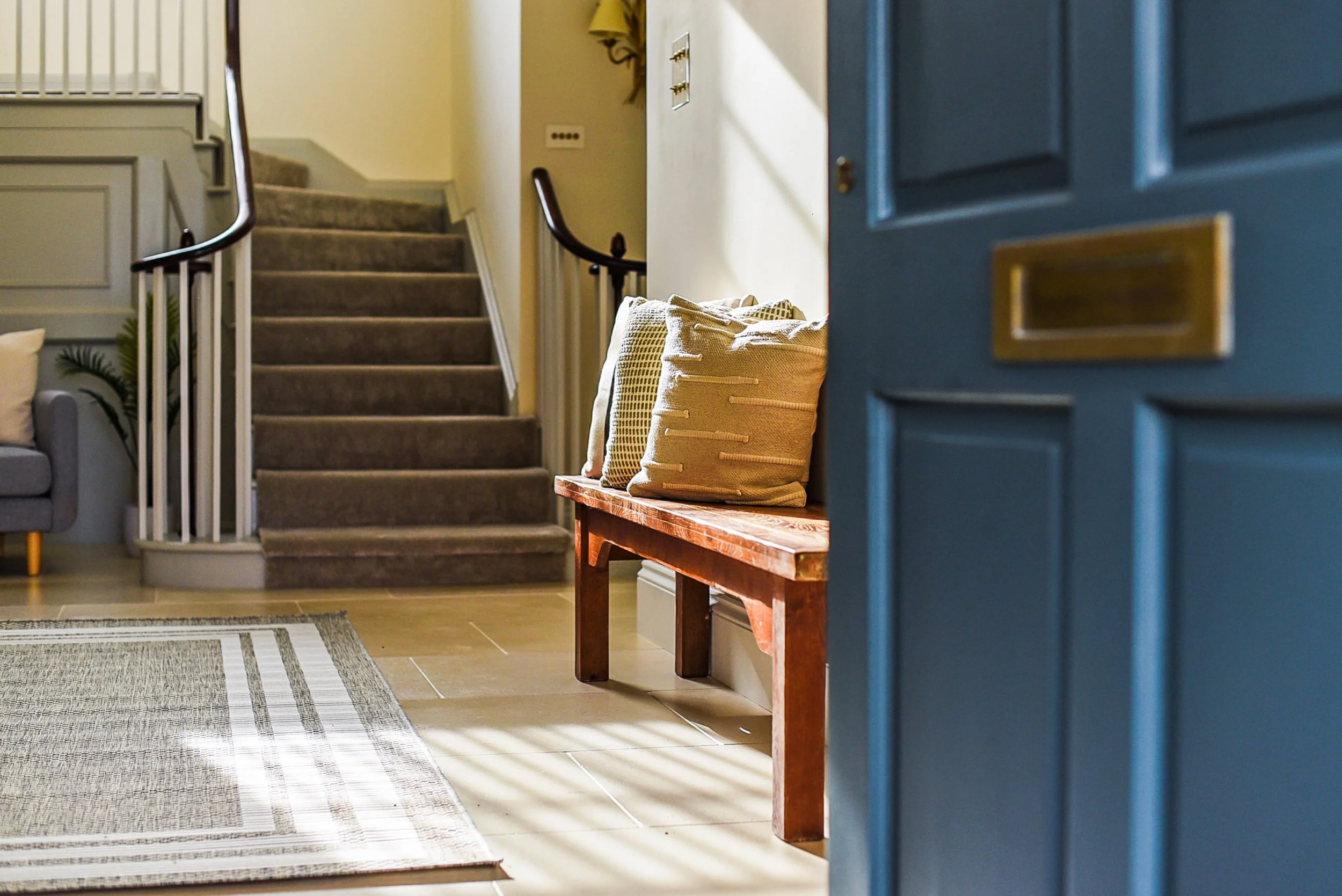
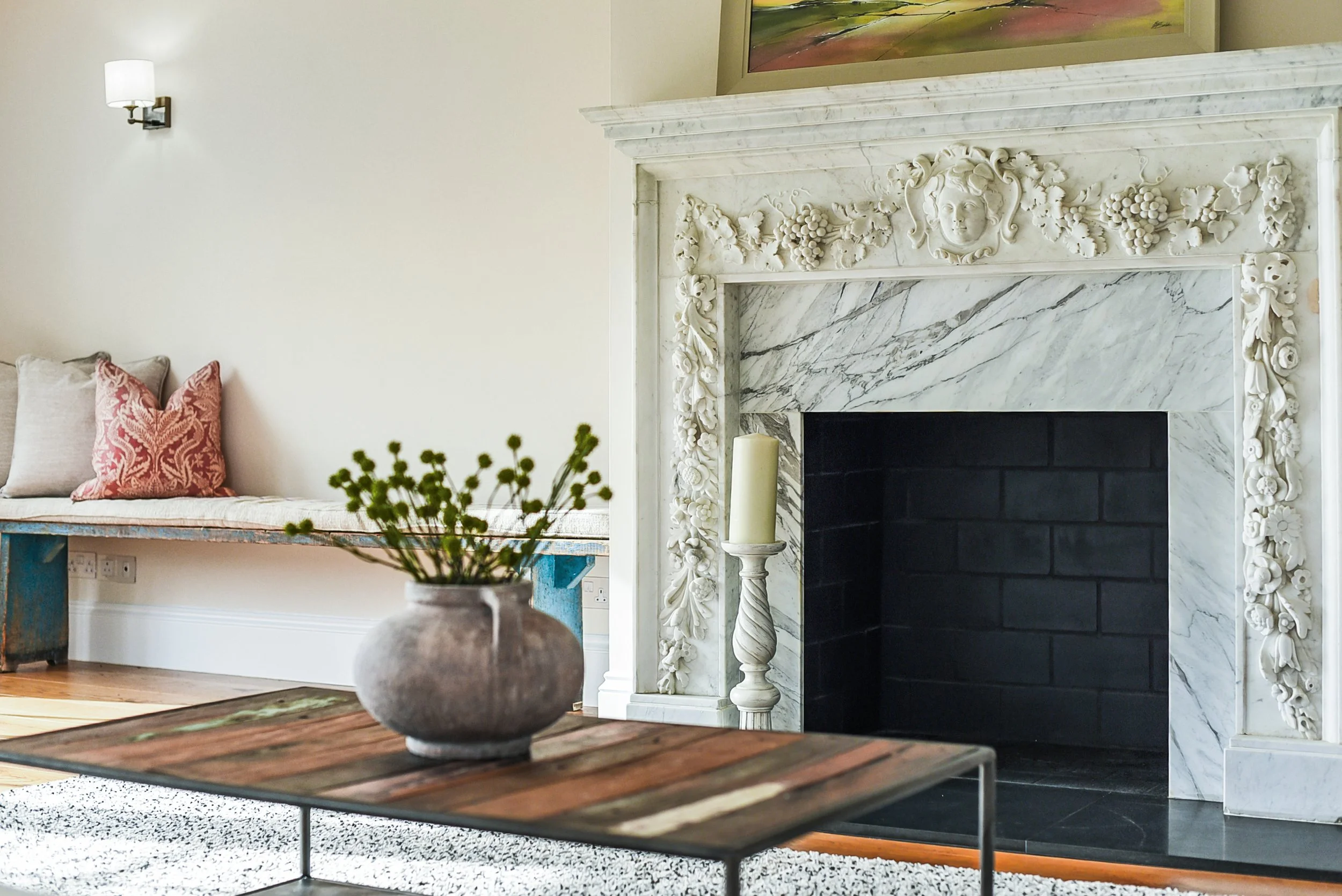
Presentation is extremely important when marketing a listed building. Buyers are often drawn to historic properties because of their charm and architectural character.
Staging should highlight, rather than hide, original features.
Tips for staging a listed property:
- Keep historic fireplaces, beams, and stone floors visible
- Avoid covering period details with modern décor
- Use neutral colours that complement traditional materials
- Choose furnishings that suit the age and style of the property
- Ensure natural light highlights architectural features
The goal is to allow buyers to imagine living in the property while appreciating its historic significance.
Repairs and Maintenance Before Selling
Minor maintenance can make a significant difference to buyer perception.
Before listing the property, consider:
- Clearing gutters and checking drainage
- Repairing damaged lime mortar or pointing
- Addressing visible damp issues
- Repairing broken roof tiles or slate
- Servicing heating systems
Well-maintained historic buildings reassure buyers that the property has been carefully looked after.
Energy Efficiency Considerations
Energy performance is often a concern for buyers of historic homes.
While listed buildings are sometimes exempt from certain energy efficiency requirements, it can still help to highlight improvements such as:
- Secondary glazing
- Draught proofing
- Improved heating systems
- Loft insulation where appropriate
Providing information about existing improvements can make the property more attractive to buyers.
Marketing a Listed Property
Listed buildings often appeal to a niche group of buyers who appreciate historic homes.
Effective marketing should emphasise:
- Architectural character
- Historic features
- Period details
- Unique layout or craftsmanship
- Location and heritage significance
Professional photography and well-written property descriptions are particularly important when marketing a heritage home.
Working with the Right Professionals
Selling a listed building can involve additional considerations, so it helps to work with professionals who understand historic properties.
This may include:
- Estate agents and Home Stagers experienced in period homes
- Surveyors with heritage expertise
- Conservation specialists if alterations are involved
Their knowledge can help answer buyer questions and support a smoother transaction.
The Appeal of Listed Homes
Despite the additional responsibilities associated with ownership, listed properties are highly desirable for many buyers.
They offer:
- Unique architecture
- Historic character
- Craftsmanship rarely found in modern homes
- A connection to local heritage
For the right buyer, these qualities can make listed buildings some of the most attractive properties on the market.
If you are looking to sell your listed property, and would like expert support and advice to enhance its sale our team can support.