 Little Barn Door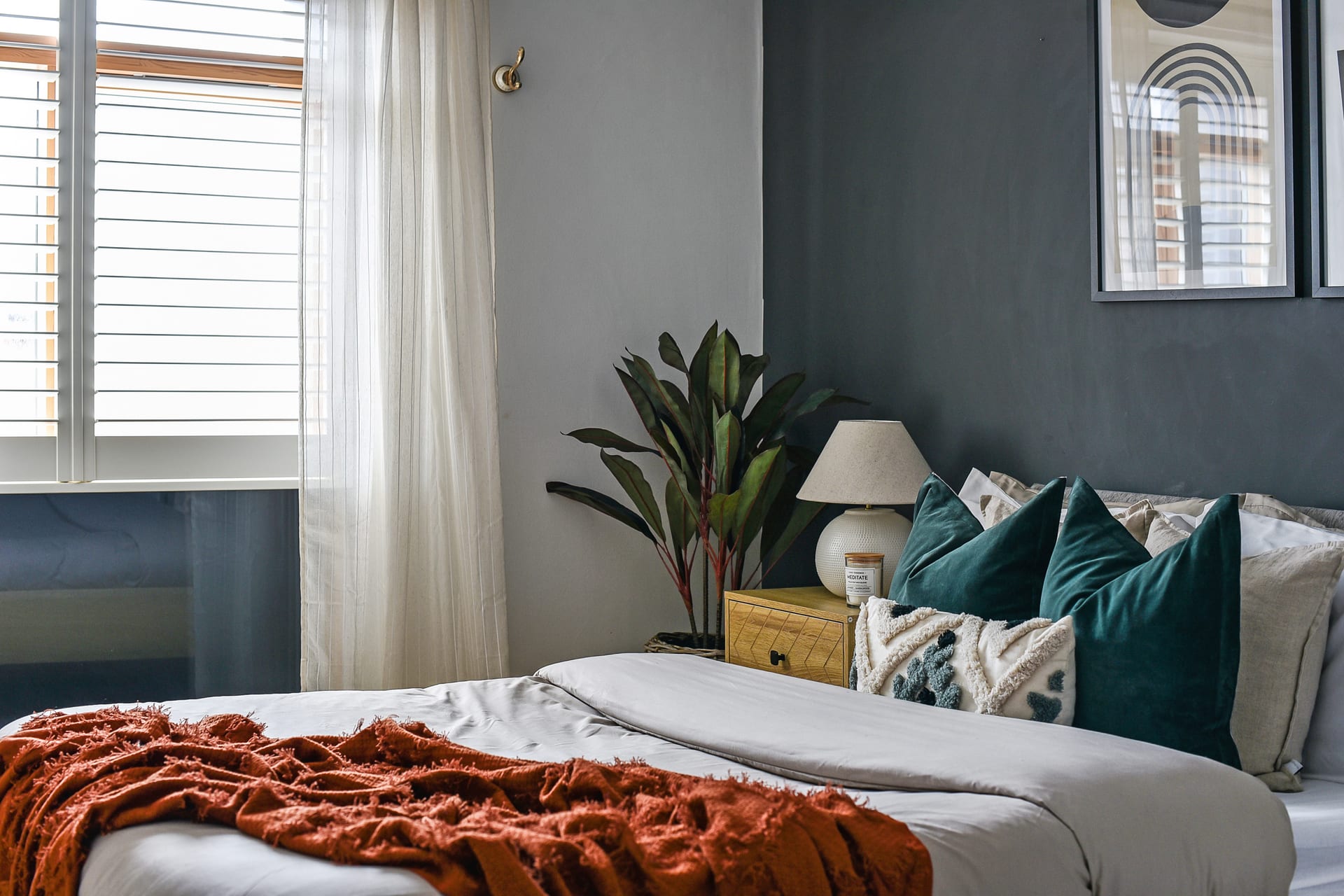
The psychology of home buying (and how staging hacks it)
How buyers actually make decisions - and the small staging moves that change them.
Buying a home looks like a logical decision, but emotion plays a much larger role than most people realise. Location, size, and budget matter - but how a property feels is what carries the decision.
That's why we treat staging as psychology-informed design, not decoration.
First impressions land in seconds
Most buyers decide how they feel about a property within the first ten seconds of walking in. Entry points and ambience set the tone for everything that follows; if the front of the house reads as muddled or cold, the rest of the viewing is uphill from there.
Buyers project, then they evaluate
When people view a property, they're not just assessing structure and finish. They're imagining how they'd live there. A reading corner suggests a place to slow down; a working dining table suggests a household that hosts. We frame rooms with purpose because purpose is what triggers emotional response.
Clutter is the loudest distraction
Too much furniture, mismatched styles, or visible clutter overwhelms buyers and pulls attention off the property itself. Removing bulky items and neutralising the palette gives the architecture room to land. The work isn't to strip a home back to nothing - it's to remove the noise.
Texture and light do the heavy lifting
The small things - textures, soft furnishings, lighting, flow - aren't aesthetic extras. They're emotional tools. A linen on the bed, a candle on the mantel, a lamp warming a corner that would otherwise read flat: each one nudges the buyer toward the response we want.
Space perception is malleable
Strategic staging can make a room feel larger, brighter, and more functional without renovation. Move one piece of furniture eighteen inches and the same square footage can read entirely differently. The room hasn't changed; the way buyers perceive it has.
Effective staging isn't about decoration. It's about creating an environment that aligns with how buyers actually make decisions - removing distractions, triggering the right emotional responses, and letting the property argue for itself.
Get new pieces in your inbox.
About one a week. Staging notes, behind-the-scenes from recent projects, no pitches.
Let’s stage your home for sale.
Tell us about the property and we’ll put together a tailored staging proposal - usually within two working days.